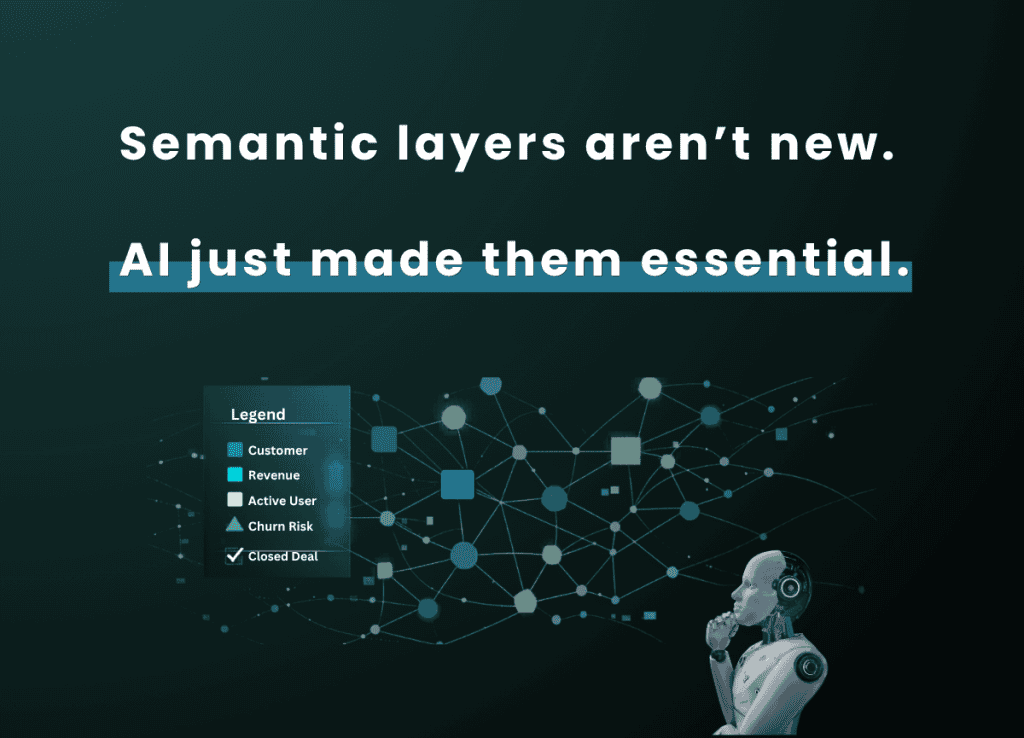
In the AI era, the difference between a semantic layer and an ontology has become one of the most critical topics in modern data architecture.
For years, organizations focused on ensuring information access, data quality, and consistent metrics. That’s why semantic layers emerged: a way to create a shared language across systems, teams, and analytical tools.
But the rise of AI agents, and enterprise copilots introduced a new challenge: it’s no longer enough to ensure everyone calculates ‘"revenue" the same way. Now we must ensure intelligent systems actually understand what "revenue" means within the context of the business.
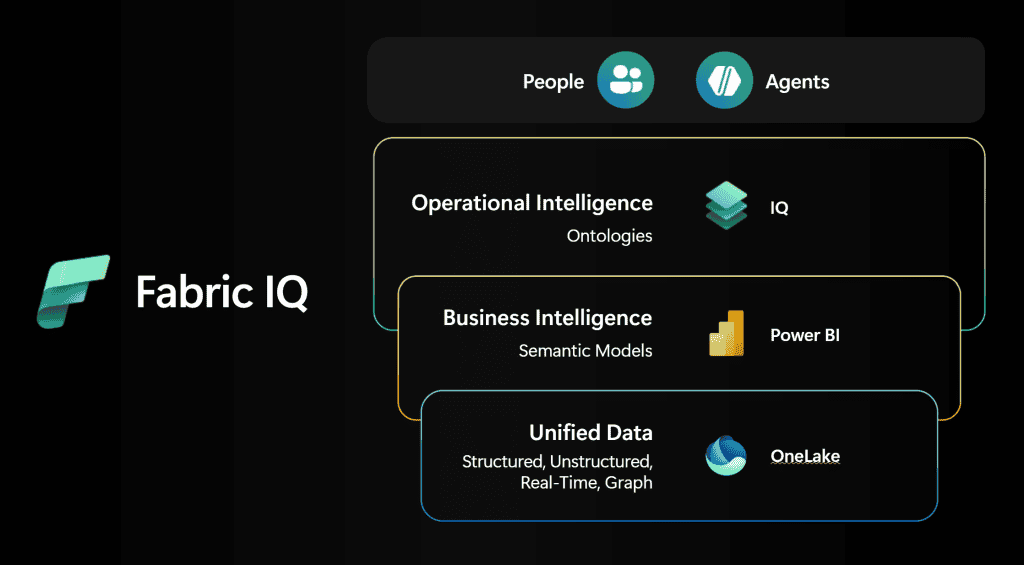
That’s why semantic layers and ontologies are taking on complementary roles in AI‑driven data architectures.